The 2026–27 Federal Budget at a Glance: What you need to know
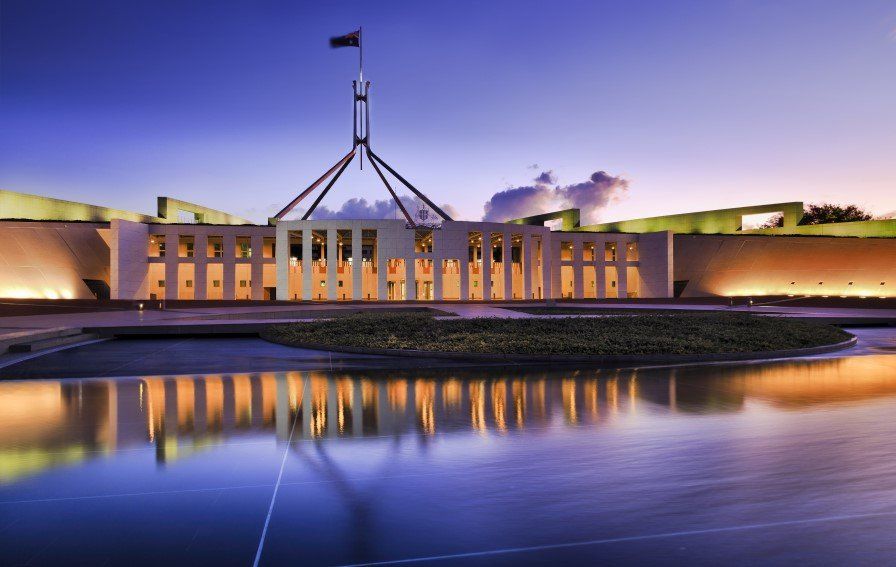
The Federal Budget handed down on 12 May 2026 contains a significant number of tax and business measures that will affect how you invest, structure your affairs, and run your business over the coming years. Here is a plain-English summary of the key changes across each area. We will break down significant proposed measures in separate posts over the coming days. These are proposed measures only. Nothing in this Budget becomes law until it passes Parliament, and some measures may change — or not proceed at all — before that happens. Watch this space, and talk to us before acting.
Income Tax
Capital Gains Tax
The headline measure is the replacement of the 50% CGT discount with cost base indexation from 1 July 2027, along with a 30% minimum tax on realised gains.
Discretionary Trusts
From 1 July 2028, trustees of discretionary trusts will be subject to a minimum 30% tax rate, closing a long-used avenue for distributing income to lower-rate beneficiaries.
What's Changing for Individual Taxpayers
A few measures are aimed squarely at individual taxpayers and investors:
Negative gearing limited to new builds. From 1 July 2027, negative gearing on residential property will only be available for new builds. Existing arrangements are grandfathered, so if you currently negatively gear an established property, nothing changes for you — but purchasing a new established investment property after that date will not attract the same tax treatment.
Working Australians Tax Offset. From the 2027–28 income year, every working Australian taxpayer will receive a $250 tax offset.
Medicare levy thresholds. The low-income thresholds for singles, families, and seniors and pensioners will increase by 2.9% from 1 July 2025, providing modest relief for those at the lower end of the income scale.
Foreign ownership restrictions extended. The temporary restrictions on foreign ownership of residential housing will be extended, and the broader foreign investment framework will be strengthened.
Private health insurance rebate change. The age-based uplift to the private health insurance rebate will be removed from 1 April 2027. If you are currently receiving a higher rebate based on your age, this will affect your out-of-pocket costs.
Overseas pension supplement. Recipients who are temporarily absent from Australia will have the full pension supplement extended from 6 weeks to 12 weeks. However, those residing permanently overseas or absent for more than 12 weeks will have the supplement cease entirely.
What's Changing for Business Owners
Instant asset write-off made permanent. The $20,000 instant asset write-off for small businesses using the simplified depreciation rules has been made permanent. No more scrambling at year-end to find out whether it has been extended — it is now a fixed feature of the tax landscape. If you run a small business, this should be factored into your asset purchasing decisions year-round.
Loss carry-back expanded. Companies with turnover up to $1 billion will be able to carry back tax losses for up to two years from 1 July 2026. This is a meaningful change for businesses that had a strong year followed by a tougher one — it creates an opportunity to reclaim tax already paid.
Electric vehicle FBT discount made permanent. Australia will transition to a permanent 25% FBT discount for certain electric vehicles. If you have been holding off on adding an EV to your fleet or salary packaging arrangements pending clarity on this policy, you now have your answer.
Start-up tax loss refunds. From 1 July 2028, small start-ups in their first two years of operation will be able to claim a refund for tax losses, capped to the value of PAYG withholding remitted on behalf of employees. This is a targeted measure designed to ease cash flow pressure in the early stages of a business.
R&D tax incentive reforms. Changes to the research and development tax incentive will take effect from 1 July 2028 as part of the government's broader response to the strategic review of R&D policy. Details are still being worked through, but if R&D claims are part of your tax strategy, watch this space.
Venture capital incentives expanded. The VCLP and ESVCLP tax incentives will be expanded from 1 July 2027, while the eligible venture capital investor program has been closed to new applications from 12 May 2026. Relevant if you invest in or through venture capital structures.
Global minimum tax amendments. The global and domestic minimum tax legislation will be amended from 1 January 2026 in line with the OECD/G20 agreement reached in January 2026. This primarily affects large multinationals, but if your business operates across borders it is worth understanding how this framework applies.
GST and Indirect Taxes
More nuisance tariffs will be abolished from 1 July 2026, which may reduce input costs for businesses importing goods. The duty exemption for goods imported from Ukraine will be extended for a further two years. Measures will also be introduced to crack down on the illicit tobacco market, which has been a growing compliance and revenue problem for the government.
Tax Administration
Several administrative changes are worth flagging, particularly for business owners:
Monthly reporting and dynamic PAYG instalments. From 1 July 2027, small and medium businesses will have expanded access to monthly BAS reporting and payment options, as well as dynamic PAYG instalment calculations. Done well, this should improve cash flow management and reduce the shock of large lump-sum tax payments.
Anti-fraud measures. Funding has been committed to protect the tax system against fraud — a response to the significant losses the ATO has suffered through false refund claims in recent years.
Child support enforcement strengthened. The government will strengthen tax lodgment enforcement and expand Single Touch Payroll data sharing to improve the accuracy of child support assessments and ensure more payments are made in full and on time.
Payroll tax harmonisation. Reforms to harmonise state payroll tax administration frameworks will be explored as part of national competition policy. This one is early days, but given the complexity and inconsistency business owners currently face across state payroll tax regimes, any movement toward harmonisation would be a welcome development.
Our Take
The permanent instant asset write-off and loss carry-back expansion are genuinely useful. The CGT and negative gearing changes, however, are significant structural shifts that will require careful planning — particularly for anyone holding investment assets or considering property investment over the next 12 to 18 months.
If you are unsure how any of these measures affect your specific situation, now is the time to have that conversation — not at tax time when your options are already limited. Contact us today to book in your tax planning appointment.
Need Help with your Business, Bookkeeping, Tax or SMSF requirements?
If you would like a little help, please get in touch with us for assistance. We can help with your business, bookkeeping, tax and SMSF requirements. To book an appointment, use our online booking system, give us a call on 07 3289 1700, or email us at reception@rgaaccounting.com.au.We look forward to assisting you this tax season!
Please also note that many of the comments in this publication are general in nature and anyone intending to apply the information to practical circumstances should seek professional advice to independently verify their interpretation and the information’s applicability to their particular circumstances. Should you have any further questions, please get in touch with us for assistance with your SMSF, business, bookkeeping and tax requirements. All rights reserved. Source: Wolters Kluwer. Brought to you by RGA Business and Tax Accountants. Liability Limited by a scheme approved under Professional Standards Legislation. Please note that the measures outlined in this post are proposals only. They have not yet passed Parliament and may be amended or abandoned before becoming law. We will keep you updated as legislation progresses. In the meantime, please do not make financial or investment decisions based solely on these announcements without speaking to us first.